


Power steering fluid
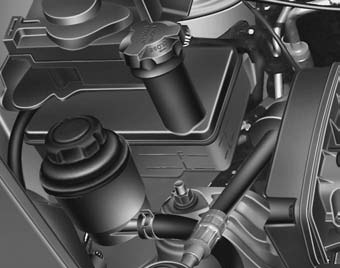
Checking the power steering fluid
level
With the vehicle on level ground, check
the fluid level in the power steering reservoir
periodically. The fluid should be
between MAX and MIN marks on the
side of the reservoir at the normal temperature.
Before adding power steering fluid, thoroughly clean the area around the reservoir cap to prevent power steering fluid contamination.
If the level is low, add fluid to the MAX level.
NOTICE
Check that the fluid level is in the
"HOT" range on the reservoir. If the
fluid is cold, check that it is in the
"COLD" range.
In the event the power steering system requires frequent addition of fluid, the vehicle should be inspected by an authorized KIA dealer.
CAUTION
• To avoid damage to the power
steering pump, do not operate the
vehicle for prolonged periods
with a low power steering fluid
level.
• Never start the engine when the reservoir tank is empty.
• When adding fluid, be careful that dirt does not get into the tank.
• Too little fluid can result in increased steering effort and/or noise from the power steering system.
• The use of the non-specified fluid could reduce the effectiveness of the power steering system and cause damage to it.
Use only the specified power steering
fluid. (Refer to "Recommended lubricants
and capacities" in section 8.)
Checking the power steering
hose
Check the connections for oil leaks, damage
and twists in the power steering
hose before driving.
See also:
Cruise control system
The cruise control system allows you to
program the vehicle to maintain a constant
speed without pressing the accelerator
pedal.
This system is designed to function
above approximately 40 km/h (2 ...
Trim Levels:
2011 KIA Rio is available in two styles which include 4 door hatchback model
and four door sedan.
KIA Rio sedan model will be available in three trim levels which include
base, LX and Sporty SX. ...
Driving Impressions
Much of the appeal of compact crossovers is in their ability to deliver some
of the practicality of larger SUVs along with easier maneuverability and parking
on city streets and in tight parking l ...